

Ceiling Water Damage Repair in Houston, TX
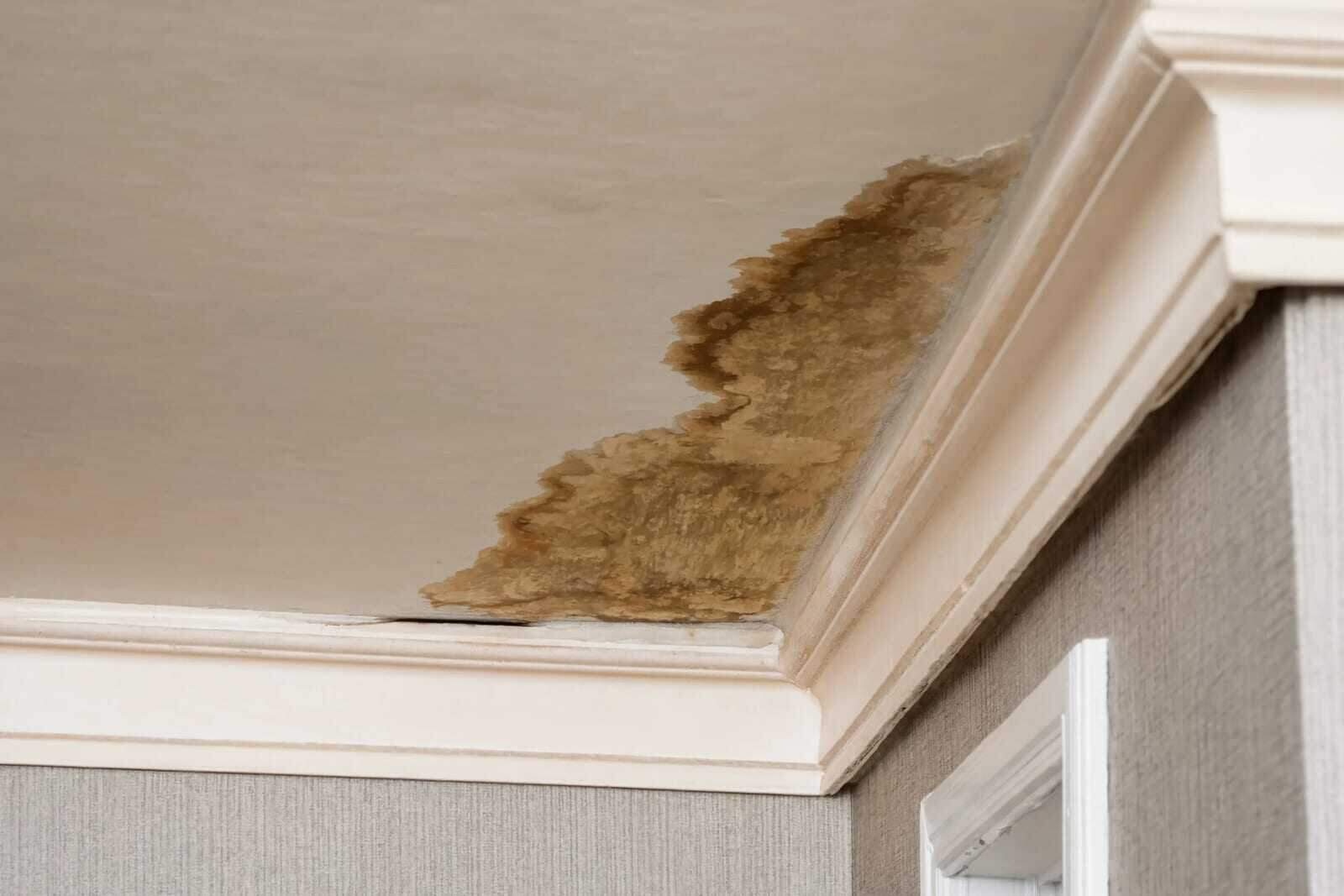
A brown ring on the ceiling means water is sitting above the drywall right now. Our IICRC-certified Houston crew finds where it's coming from, dries the cavity and insulation overhead, and restores the ceiling so the stain doesn't bleed back through.
Call Now to Prevent Further Damage
Call Now(346) 210-6101
24/7 Emergency Response
Certified & Accredited in Houston


What You Get When You Call Houston Water Damage Restoration Pros
Real Houston crews, not a call center. Most neighborhoods reached within hours.
Trained to manufacturer and insurer standards, documented from the first hour.
We work with your adjuster and handle the claim paperwork for you.
Mitigation and full restoration under one roof, no handoff gaps or delays.
What We Repair on a Water-Damaged Ceiling
A stained ceiling is the visible end of a wet path that usually starts a floor up or in the attic. We treat the whole path, not just the drywall you can see, so the damage doesn't come back.
Water Stains & Rings
Brown and yellow tide marks get sealed and repainted only after the drywall behind them reads dry, so they don't ghost back.
Bubbling & Peeling Paint
Paint that blisters or flakes is holding trapped moisture underneath. We open it, dry the board, and refinish flat.
Sagging & Bowed Drywall
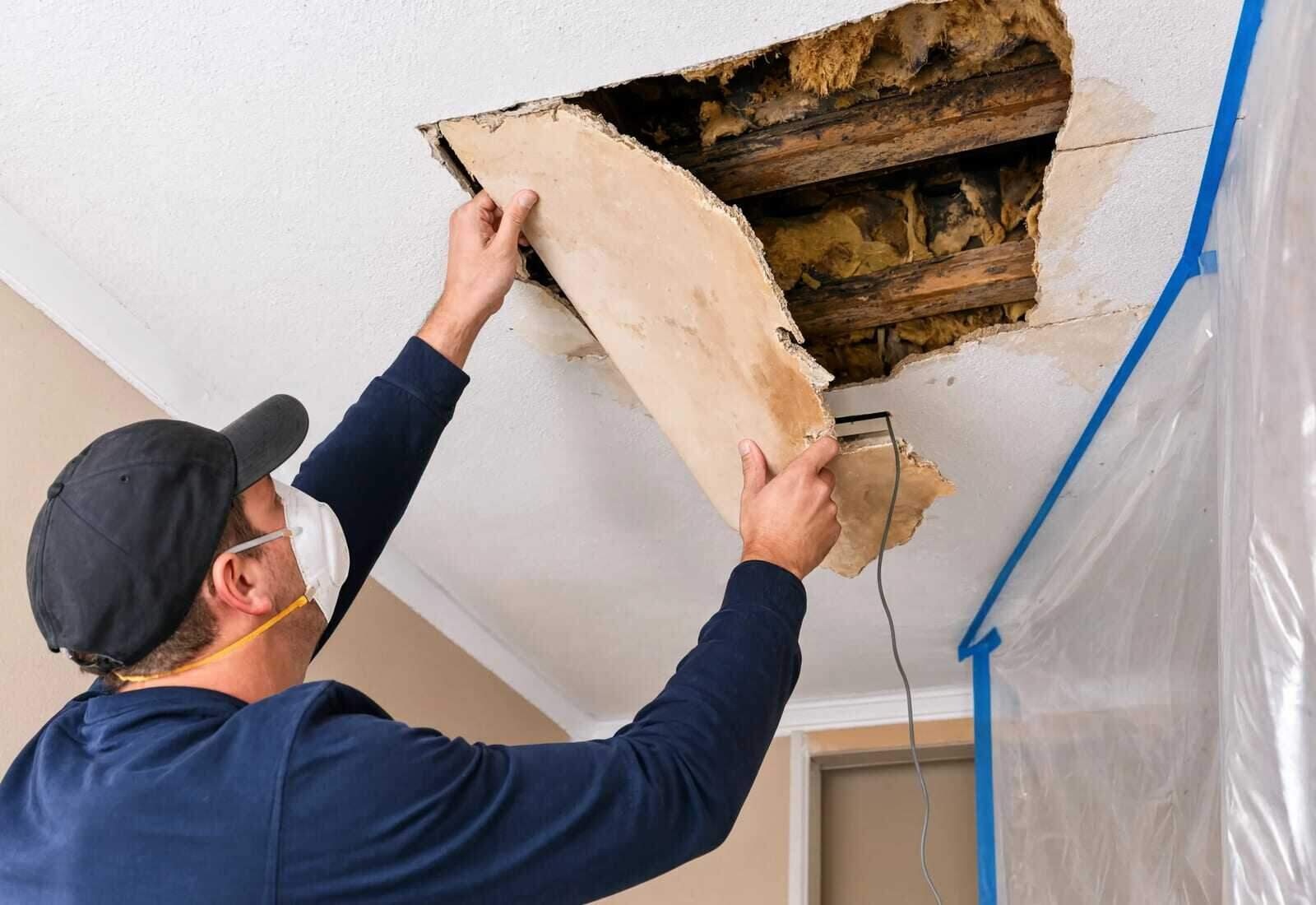
A ceiling that droops or feels spongy is saturated and at risk of collapse. We cut out the failed section and rebuild it.
Wet Insulation & Framing
Soaked attic insulation and damp joists above the ceiling get dried or removed before the new drywall goes up.
Common Causes of Ceiling Water Damage in Houston Homes
Where the water is coming from changes the fix, so the first thing our crew does is trace the stain back to its source. In Houston homes it almost always lands on one of these.
- Second-floor plumbing. A leaking toilet flange, shower pan, or supply line on the upper floor drips down through the joist bay and shows up on the ceiling below, often a room or two over from the actual leak.
- Roof leaks. Worn flashing or lifted shingles let rain into the attic during a Gulf storm, where it travels along the decking and soaks the ceiling at the low point. Those calls usually overlap with roof water damage.
- HVAC and condensate lines. Attic air handlers and clogged condensate drains are a year-round Houston culprit — the AC runs hard for nine months, and a backed-up drain pan overflows straight onto the ceiling.
- Burst or aging pipes. A line that fails in the ceiling cavity or in the wall above can release a lot of water fast. If a pipe let go, our burst-pipe cleanup covers the source and the ceiling together.
Repairing a Water-Damaged Ceiling
We don't paint over a wet ceiling. The drywall behind the stain has to read dry on a moisture meter before any finish work starts, or the discoloration and softness come right back. Here's how a ceiling repair runs.
Find the Source
We trace the leak to its origin — plumbing, roof, or HVAC — and stop it so no more water reaches the ceiling.
Meter the Ceiling
Moisture meters and a thermal camera map how far the wet area spreads past the visible stain.
Dry the Cavity
We open and dry the space above — joists, insulation, and the back of the drywall — until readings hit dry.
Repair & Finish
Failed drywall is cut out and replaced, then the ceiling is sealed, textured to match, and repainted.
If the cavity sat wet long enough for mold to take hold, or the readings stall, we check for mold above the ceiling before closing it up. We also photograph every stage and log the moisture readings for your insurance claim.
Hidden Damage Above the Ceiling
What you see on the drywall is the smallest part of the problem. Water pools and travels above the ceiling line for days before it ever stains through, so the cavity is usually wetter and wider than the mark suggests. These are the things we check overhead before we call a ceiling dry.
Saturated insulation
Wet attic insulation loses its R-value and stays damp for weeks, feeding mold and dripping back onto fresh drywall. We pull and replace what's soaked.
Damp joists and decking
The wood framing above the ceiling holds moisture you can't see from below. Left wet in Houston's humidity, it warps and grows mold along the grain.
Spreading stains
Water runs to the lowest point, so the stain you see is often downhill from the real leak. We meter the whole bay to find the wet edge.
Electrical in the cavity
Ceiling boxes, can lights, and wiring sit right in the wet zone. We treat a soaked ceiling as an electrical hazard until the circuit is cleared.
Seeing a stain spread or a soft spot form overhead? Reach out and we'll trace it before it gets worse.
Frequently Asked Questions
Is a water-stained ceiling a sign of a bigger problem?
Usually, yes. A stain means water has already soaked through the drywall from above, so there's an active or recent leak feeding it and a wet cavity behind it. The mark you see is the dry edge of a larger wet area. We trace it to the source — plumbing, roof, or an HVAC drain — and meter the framing and insulation overhead, because painting over the stain without drying what's above it just hides the problem until it bleeds back through.
Can a sagging or bubbling ceiling be saved?
A ceiling that bubbles or sags is holding water in the drywall and can fail without warning, so we treat that section as a tear-out rather than a dry-and-save. Areas that are only lightly stained and still firm can often be dried in place and refinished. We meter the ceiling first and tell you honestly which parts come down and which stay — a saturated, drooping panel is a safety risk, and trying to dry it in place rarely holds.
How fast can you get to my ceiling leak in Houston?
Our line is staffed 24/7 and we reach most Houston neighborhoods within a few hours, working from our base on Spring St in the Washington Avenue corridor. A ceiling that's actively dripping or starting to bow is an emergency — the longer water sits in the cavity, the more drywall and insulation you lose — so call as soon as you see it and we'll send the nearest crew.
Will my insurance cover the ceiling repair?
Most homeowner policies cover ceiling damage from a sudden, accidental leak — a burst pipe or an overflowing AC pan, for example — while long-term seepage that was ignored is often excluded. Coverage comes down to your policy and how the loss happened. We document the cause and the damage with photos and moisture logs from the first visit and work directly with your adjuster, which is exactly what a claim needs to move.
Ceiling Dripping or Sagging? Call Before It Falls.
A wet ceiling only gets heavier and wider the longer the water sits above it. Our Houston crew is on call 24/7 to find the leak, dry the cavity, and restore the ceiling — call now and we'll head your way.
Call Now: (346) 210-6101