
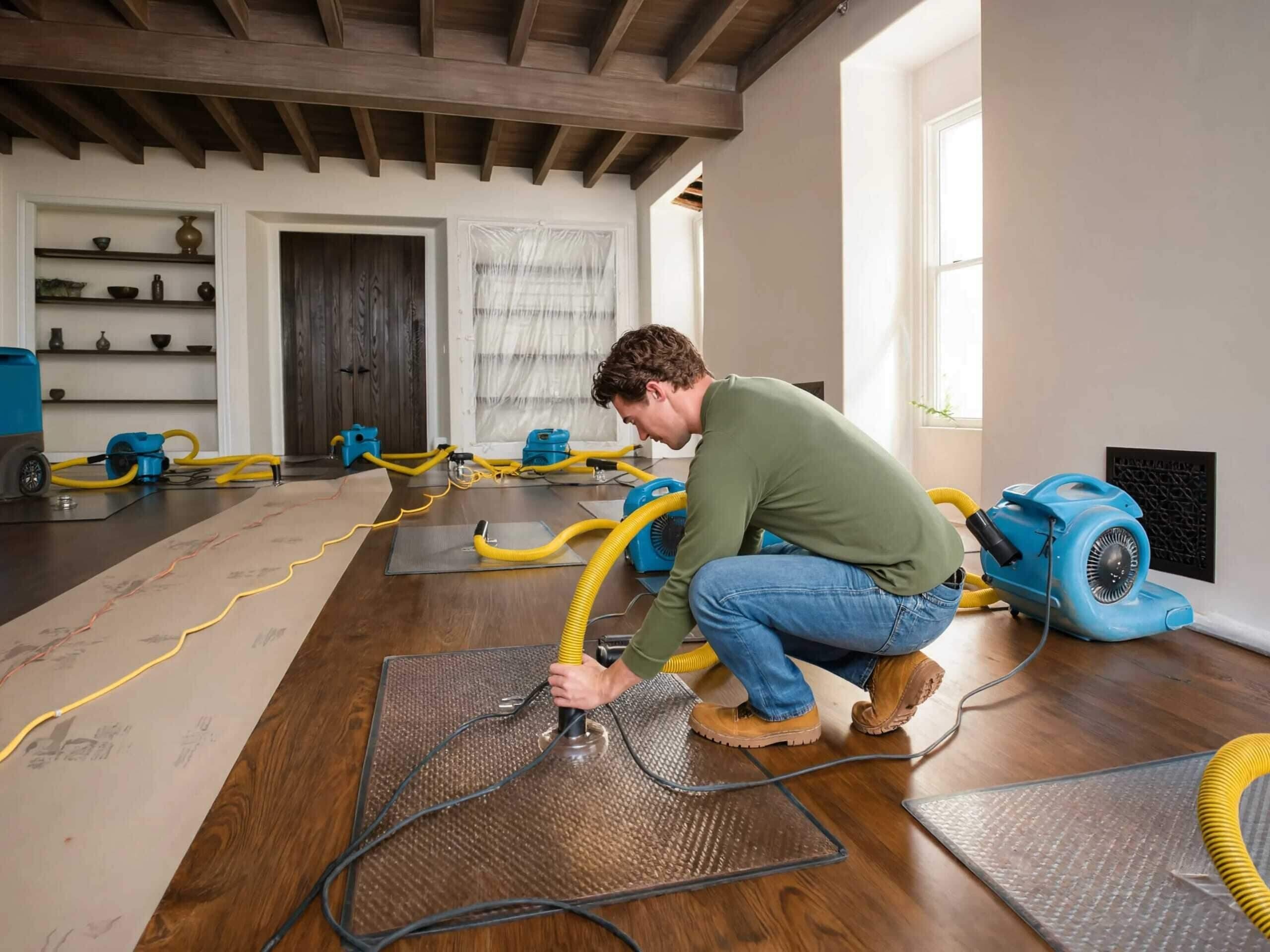
Water Removal & Extraction in Houston, TX
Inches of standing water across your floors? We pump it out the same day. Our IICRC-certified Houston crew arrives with truck-mounted extractors, removes the water down to the subfloor, and starts drying before warping and mold set in.
Call Now to Prevent Further Damage
Call Now(346) 210-6101
24/7 Emergency Response
Certified & Accredited in Houston


What You Get When You Call Houston Water Damage Restoration Pros
Real Houston crews, not a call center. Most neighborhoods reached within hours.
Trained to manufacturer and insurer standards, documented from the first hour.
We work with your adjuster and handle the claim paperwork for you.
Mitigation and full restoration under one roof, no handoff gaps or delays.
Fast Standing-Water Removal in Houston
The volume of water on your floor is what determines how much you lose. A truck-mounted extractor pulls hundreds of gallons an hour off carpet, tile, and hardwood, and that head start is the difference between drying out a floor and tearing it out. We handle water removal across the Houston metro and dispatch from the Washington Avenue corridor on Spring St, so a crew is usually on your street within a few hours, day or night.
Standing Water Extracted
Truck-mounted and portable extractors lift water off floors, under carpet, and out of pad in one pass.
Subfloor & Cavity Water
We chase water trapped under tile, in wall cavities, and beneath laminate where surface mopping never reaches.
Crawlspace Pump-Out
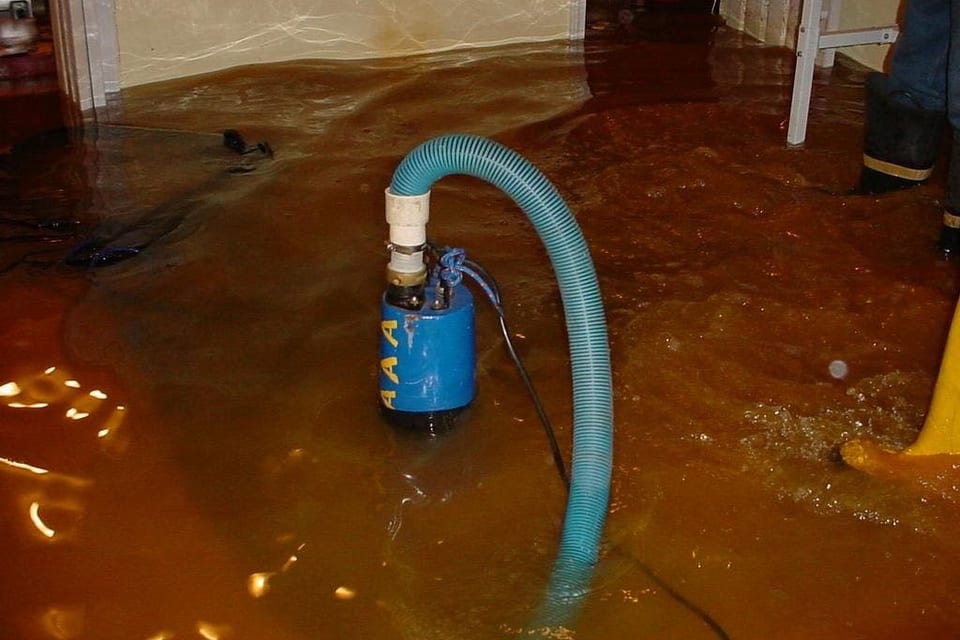
Submersible pumps clear standing water from crawlspaces and low utility spaces so it stops feeding the framing above.
Contents Moved & Blocked Up
Furniture gets lifted onto blocks and soaked rugs pulled clear so nothing keeps wicking water while we work.
Equipment We Use to Extract Water
Removing water fast is a matter of having the right machine for the volume in front of us. Here's what comes off the truck on a Houston water-removal job.
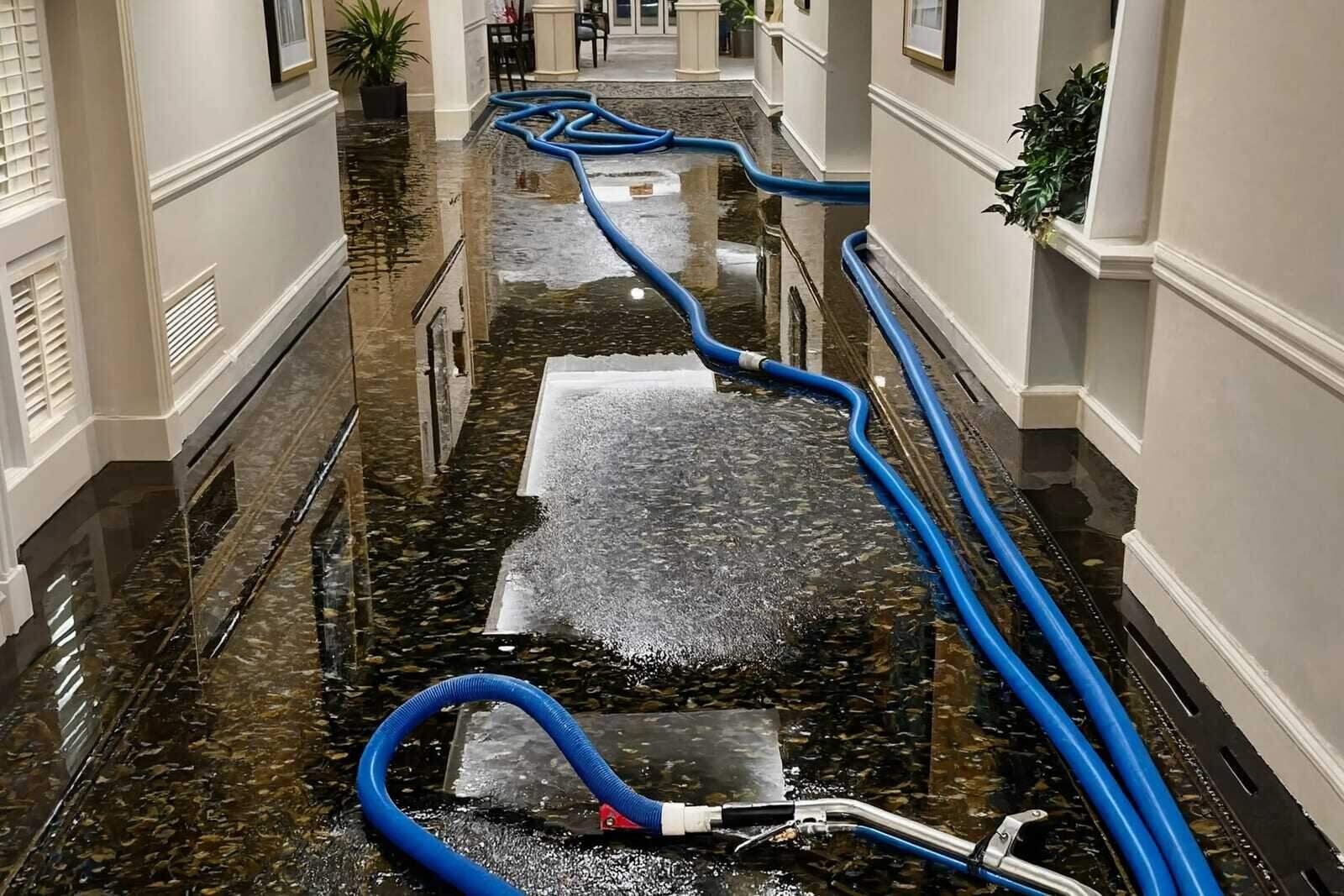
- Truck-mounted extractors. The heavy lifter for whole-room flooding — a vacuum and pump system that pulls water far faster than any portable unit and dumps it straight to the truck.
- Portable extractors. Wheeled into second floors, hallways, and tight rooms a hose can't reach, so upstairs and bathroom floods get the same extraction power.
- Submersible pumps. For crawlspaces, sunken rooms, and any spot holding more than a couple inches, these move continuous water out before extraction even begins.
- Weighted extraction tools. Carpet wands and ride-on stand pull water trapped in pad and backing, the layer that holds water long after the surface looks dry.
- Moisture meters and thermal cameras. Pin and pinless meters plus infrared scanning show where water hid in walls and subfloor, so extraction targets the wet, not the guesswork.
From Extraction to Complete Drying
Pulling the standing water is step one, not the finish line. Water soaks into drywall, baseboards, and subfloor, and in Houston's humidity that trapped moisture turns into mold within days if it isn't dried out. Our crews run extraction and drying as one continuous job.
Assess & Map the Water
We meter every affected room and trace how far the water traveled, including up walls and under flooring.
Extract the Standing Water
Truck-mounted and submersible units remove the bulk water from floors, pad, and crawlspaces first.
Pull Saturated Materials
Ruined pad, swollen baseboard, and unsalvageable laminate come up so the structure underneath can dry.
Set Drying Equipment
Air movers and dehumidifiers go in the same visit, sized to the room and the moisture readings we took.
Monitor to Dry Standard
We log moisture daily and pull equipment only when readings hit the IICRC S500 dry target, not before.
When the water came from a clean source, fast removal often saves the flooring outright. Heavier or longer-sitting losses move into full structural drying, and if readings stall or a musty smell lingers we check for mold before we close the file.
When Water Removal Is Time-Critical
Standing water gets more expensive by the hour, and Houston's slab-on-grade homes give it nowhere to drain — it spreads sideways across the main floor instead of down. These are the situations where calling within the hour changes the outcome.
Hardwood floors are soaking
Solid and engineered wood cup and buckle within hours of contact. Pull the water fast and the planks often dry flat; leave it overnight and the floor is usually a tear-out.
Water is under the cabinets
Once water wicks into kitchen toe-kicks and cabinet bases, it sits trapped against the slab. We extract and dry those cavities before the particleboard swells apart.
A crawlspace is holding water
Standing water under the house keeps the joists and subfloor wet from below and drives humidity up into the rooms. Pumping it out stops the damage at its source.
It's been sitting 24 hours or more
Past a day, clean water starts degrading and mold begins to colonize damp drywall and framing. The job shifts from removal to remediation the longer it waits.
If the flooding traces back to a burst or frozen pipe or a sewage backup, tell us on the phone, because the source changes how we set up. For any active emergency, our 24/7 emergency response line is the fastest way to get a crew rolling.
Frequently Asked Questions
How do you remove standing water from a home?
We start with the largest machine the situation allows. For whole-room flooding that's a truck-mounted extractor; for crawlspaces and deep water it's a submersible pump; for upstairs and tight rooms it's a portable unit. Once the standing water is off the floors, weighted wands pull what's trapped in carpet pad, and we meter walls and subfloor to find the moisture you can't see. Drying equipment goes in the same visit so the structure starts losing water immediately.
How long does water removal take?
The extraction itself usually takes a few hours, depending on how much water there is and how far it spread. Drying the structure afterward is the longer part — most Houston homes run three to five days on the equipment, and heavily soaked materials or high indoor humidity can push that out. We give you a realistic timeline once we've metered the home, not a number over the phone.
What happens after the water is removed?
Removal is the first half of the job. After the standing water is gone, we pull any saturated pad and trim that can't be saved, set air movers and dehumidifiers, and monitor moisture daily until the structure reads dry to IICRC standards. We document the whole process with photos and readings for your insurer, and if anything needs rebuilding we can carry the job through restoration.
Do you remove water from crawlspaces and under floors?
Yes. Submersible pumps clear standing water from crawlspaces and sunken utility spaces, and we extract water trapped beneath tile, laminate, and in wall cavities where surface drying never reaches. Houston homes are mostly slab-on-grade, but where there is a crawlspace, water sitting under the house has to come out or it keeps the framing wet and drives humidity up into your rooms.
Standing Water Spreading Right Now? Call Us.
Every hour that water sits, it soaks deeper into your floors and walls. Our Houston crew is on call 24/7 with the extractors and pumps to pull it out fast — call now and we'll head your way.
Call Now: (346) 210-6101