
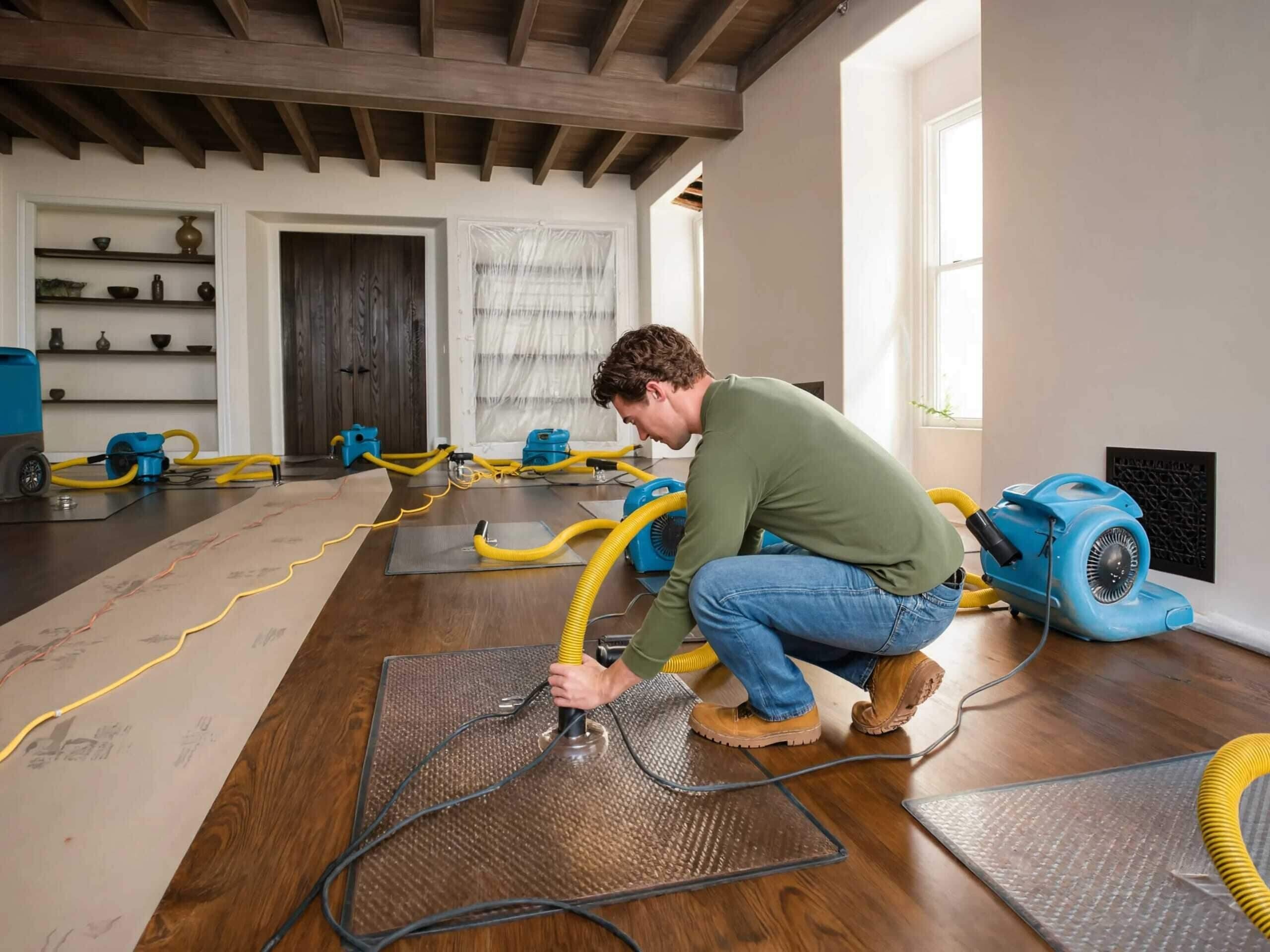
Carpet Water Damage Repair in Houston, TX
Wet carpet can sometimes be saved and sometimes has to go — the source and the clock decide. Our IICRC-certified Houston crew extracts the water, dries the pad and subfloor, and tells you straight which way yours goes.
Call Now to Prevent Further Damage
Call Now(346) 210-6101
24/7 Emergency Response
Certified & Accredited in Houston


What You Get When You Call Houston Water Damage Restoration Pros
Real Houston crews, not a call center. Most neighborhoods reached within hours.
Trained to manufacturer and insurer standards, documented from the first hour.
We work with your adjuster and handle the claim paperwork for you.
Mitigation and full restoration under one roof, no handoff gaps or delays.
When Carpet Can Be Saved — and When It Can't
Clean water caught fast usually means the carpet is salvageable; contaminated water or a long delay usually means it isn't. The carpet face is the easy part — it's the pad underneath and the subfloor below that decide the outcome, because that's where water hides and mold starts. Here's how we read it.
Clean water, caught fast
A supply-line or rain leak reached within a day or two? The carpet is usually savable. We extract, lift it to dry the pad and subfloor, and re-lay it.
Sitting more than 48 hours
Past two days, even clean water breeds bacteria and mold in the pad and backing. The carpet often stays; the pad almost always gets replaced.
Sewage or contaminated water
Carpet soaked by a sewage backup is Category 3: porous, contaminated, and not safely cleanable. It's removed and disposed of, no exceptions.
Already smells musty
A sour or earthy smell means microbial growth has already started in the pad. We test for mold and don't dry contaminated material back into your home.
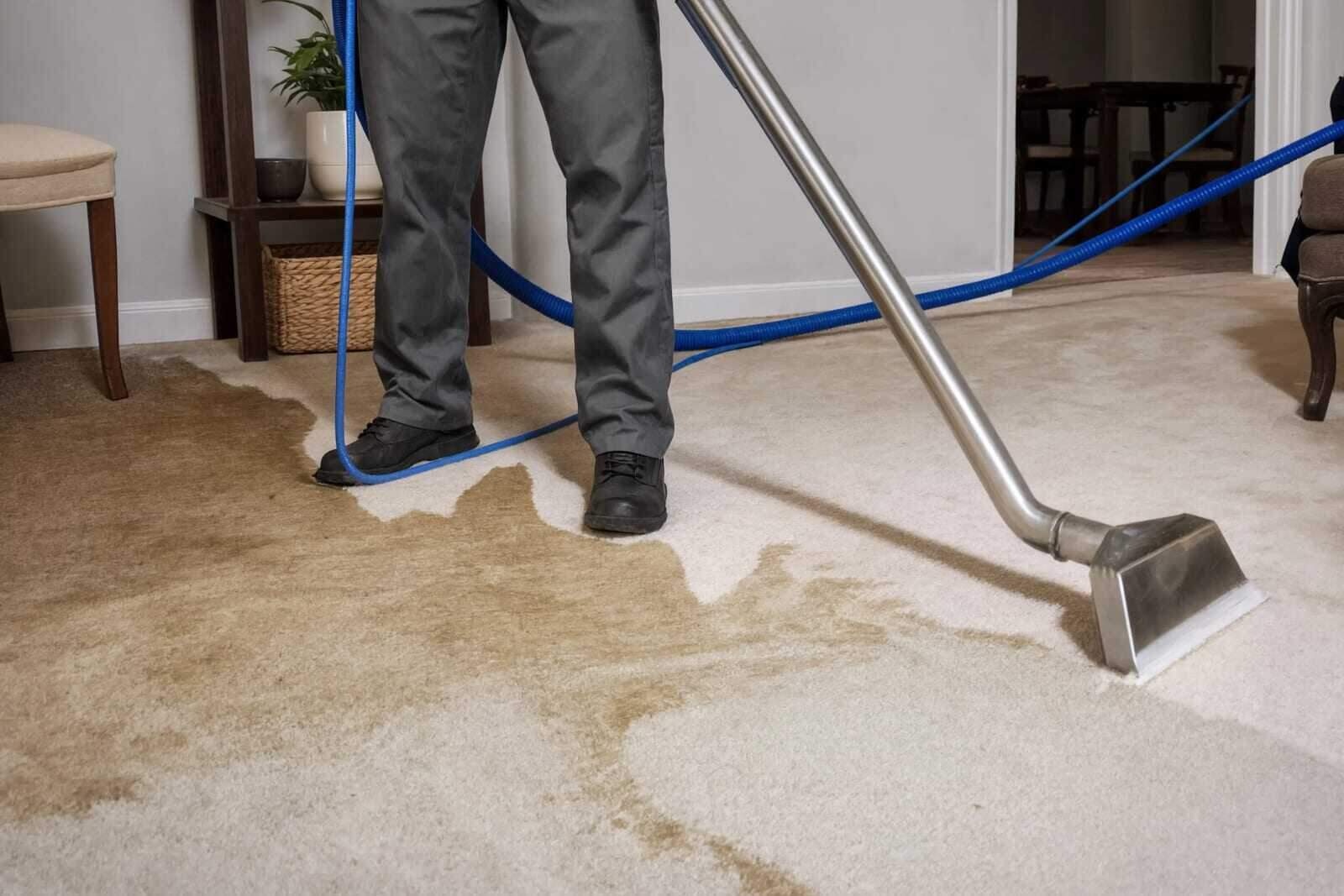
Our Carpet Drying & Sanitizing Process
Saving carpet is about drying every layer, not just the surface you walk on. Water wicks into the pad and pools on the subfloor, and surface drying leaves both wet — which is how a "dried" carpet turns musty a week later. This is how our Houston crew dries it through.
Extract the Water
Weighted wands and portable extractors pull water from the carpet face and out of the pad backing.
Lift & Assess
We float the carpet to check the pad and subfloor, then decide what dries and what gets replaced.
Replace the Pad
Soaked padding holds water and contamination, so it usually comes out and fresh pad goes back in.
Sanitize & Dry
We treat the carpet and subfloor with an antimicrobial, then run air movers and dehumidifiers to dry.
Re-lay & Verify
The carpet is re-stretched over new pad once meters confirm the subfloor underneath reads dry.
Heavier losses or contaminated water shift the job toward full documented restoration, and we photograph and meter every stage so your insurer has a clear record of why the carpet was saved or replaced.
Padding, Subfloor & Mold Concerns in Houston
What's under the carpet is where Houston's climate does the real damage. The pad and subfloor stay wet long after the surface feels dry, and in this humidity that trapped moisture is a mold incubator — most carpet-related mold we find started in the pad, out of sight. Here's what we check below the surface.
- The pad is a sponge. Carpet padding soaks up and holds far more water than the carpet itself, and it dries slowly. Once it's saturated past a day or so, replacing it is cheaper and safer than trying to dry it in place.
- Subfloor matters more than the carpet. Plywood subfloor swells and delaminates when it stays wet, and particleboard crumbles. We meter the subfloor and dry it fully before re-laying anything — a dry carpet over a wet subfloor just traps the problem.
- Tack strips and baseboards. Water wicks into the tack strip and up the baseboard at the wall edge. We check and dry those edges, because that's a spot surface drying always misses.
- Houston's humidity speeds it all up. At local temperatures and humidity, mold can start in damp carpet backing within 24 to 48 hours, so the timeline to save carpet here is tighter than in a drier climate.
If we find growth already underway in the pad or on the subfloor, our mold removal crew handles it before the floor is rebuilt. We won't seal a contaminated layer back under fresh carpet. Carpet went under today? Get in touch while the window to save it is still open.
Frequently Asked Questions
Can wet carpet be saved after a leak or backup?
It depends on the water and the timing. Carpet soaked by clean water — a supply line, rainwater, an overflow — and reached within a day or two can usually be saved: we extract it, lift it to dry the pad and subfloor, and re-lay it over fresh padding. Carpet hit by a sewage backup is Category 3 and gets removed regardless of how it looks, because it can't be safely sanitized. The pad is almost always replaced either way, since it holds water and contamination the carpet face doesn't.
Does wet carpet always need to be replaced after water damage?
No — clean-water carpet caught early is often saved. But three things push it toward replacement: contaminated water like sewage, more than about 48 hours of sitting wet, or a musty smell that means mold has already started in the backing. Even when the carpet stays, the padding underneath usually goes, because it soaks up far more water and dries too slowly to trust in Houston's humidity. We meter the carpet, pad, and subfloor and give you an honest call rather than defaulting to a tear-out.
How long does it take to dry water-damaged carpet?
Once the water is extracted and the pad is handled, drying the carpet and subfloor usually runs two to four days on air movers and dehumidifiers. The subfloor is the slow part — plywood holds moisture deep, and Houston's humidity stretches the timeline compared to a drier climate, which is why we dehumidify rather than just running fans. We meter the subfloor daily and don't re-lay the carpet until the readings confirm it's dry underneath, not just on top.
How fast do you respond to wet carpet in Houston?
We answer 24/7 and reach most Houston neighborhoods within a few hours from our base on Spring St in the Washington Avenue corridor. With carpet, speed is everything — the window to save it closes around 48 hours, and faster in this humidity, because the pad and backing start growing mold once they sit wet. Calling the same day the carpet gets soaked is the difference between extracting and re-laying it versus tearing it out.
Soaked Carpet? The 48-Hour Window Is Ticking.
Wet carpet padding starts growing mold within a day or two in Houston's humidity. Our crew is on call 24/7 to extract, dry, and sanitize — or tell you straight if it has to go. Call now and we'll head your way.
Call Now: (346) 210-6101