
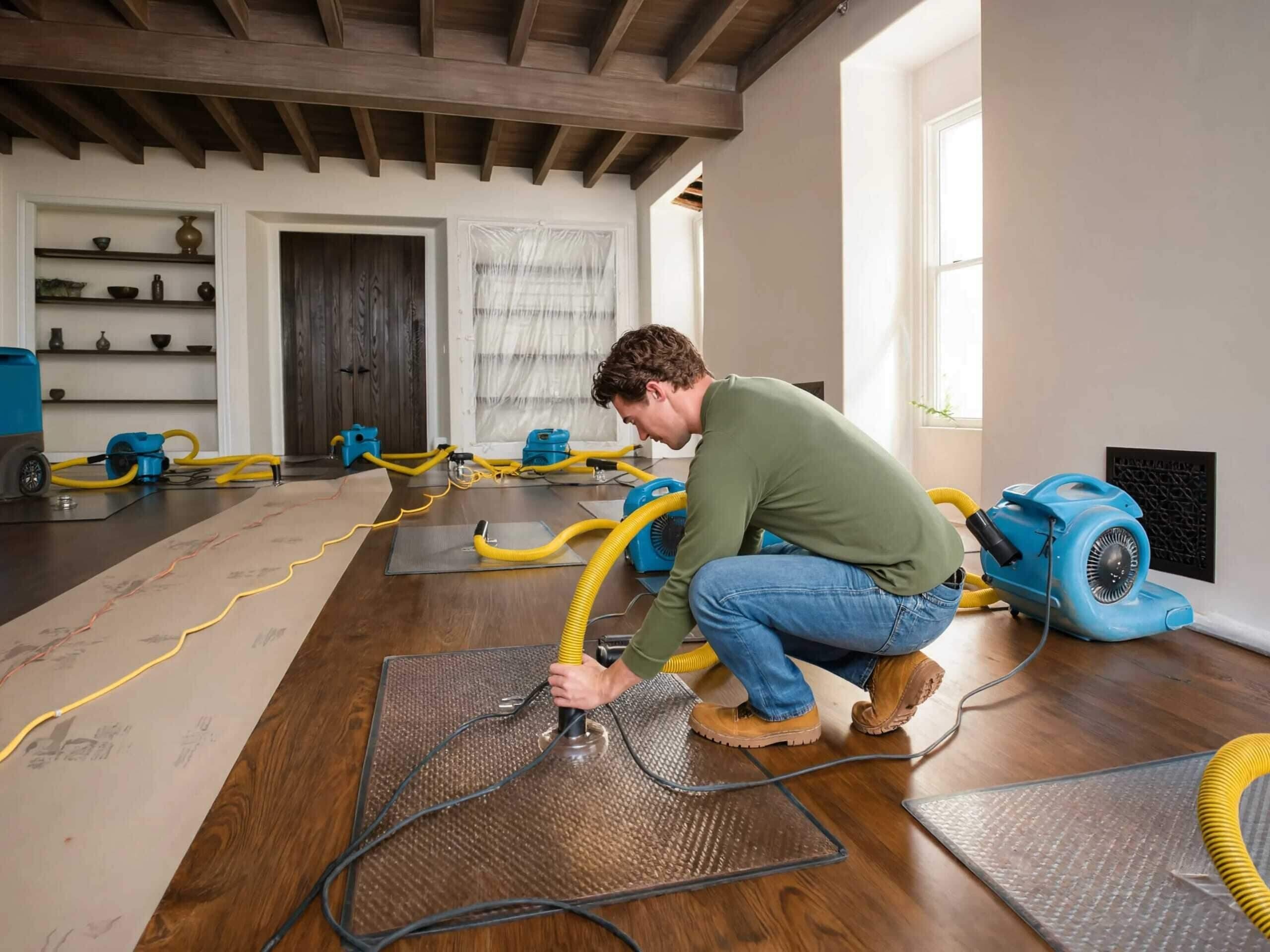
Appliance & Water Heater Leak Cleanup in Houston, TX
A failed water heater or a split washer hose can put gallons across the floor before you're even home. Our IICRC-certified Houston crew extracts the water, dries the structure, and documents it for your claim. day or night.
Call Now to Prevent Further Damage
Call Now(346) 210-6101
24/7 Emergency Response
Certified & Accredited in Houston


What You Get When You Call Houston Water Damage Restoration Pros
Real Houston crews, not a call center. Most neighborhoods reached within hours.
Trained to manufacturer and insurer standards, documented from the first hour.
We work with your adjuster and handle the claim paperwork for you.
Mitigation and full restoration under one roof, no handoff gaps or delays.
Common Appliance Leaks We Clean Up in Houston Homes
Appliance leaks are the quiet ones. A supply line behind a machine fails while you're at work or asleep, and the water spreads under cabinets and across the slab before anyone notices. These are the appliance failures our Houston crews respond to most.
Water Heaters
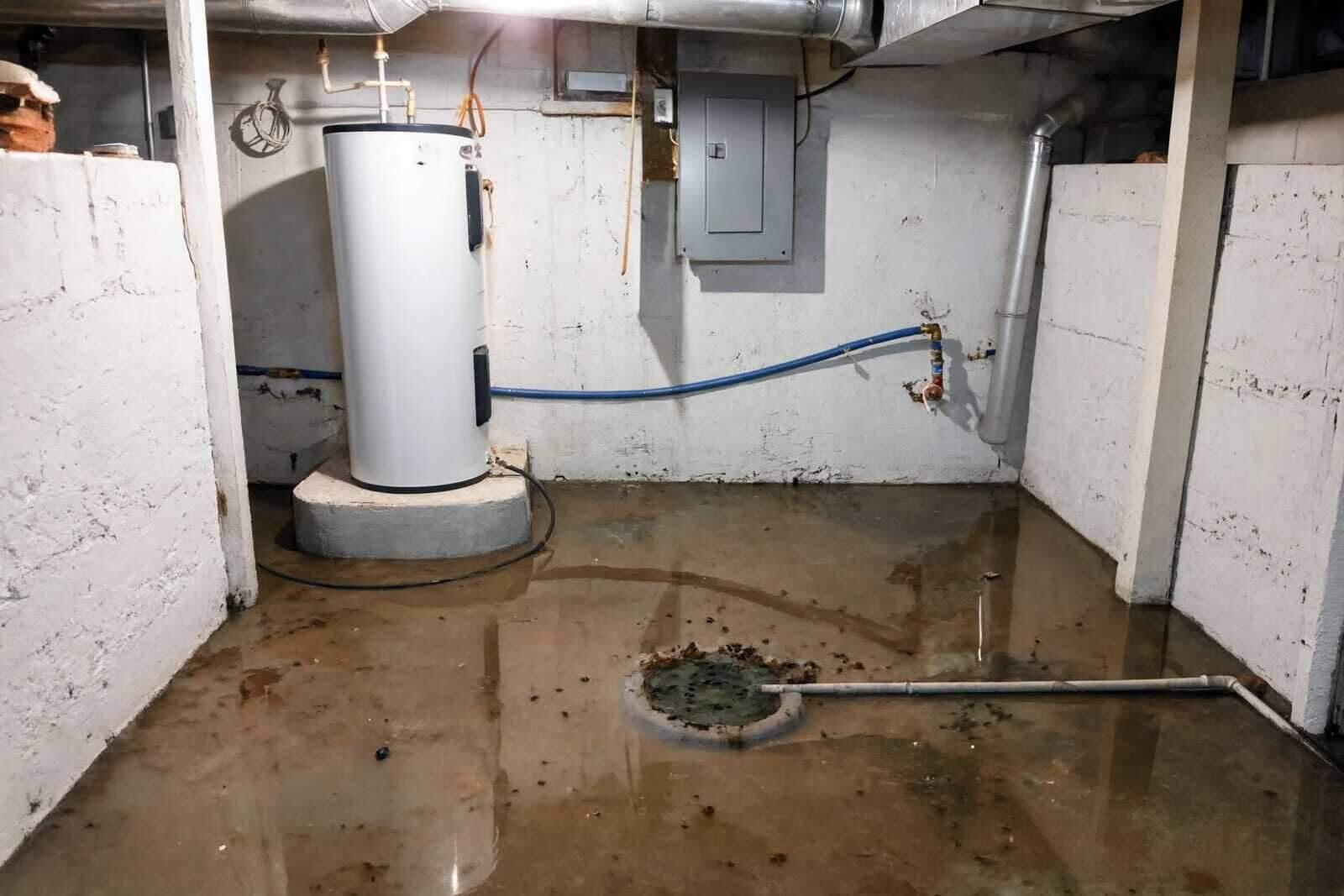
A ruptured tank or a leaking base can release 40 to 50 gallons, often overnight, soaking a garage or utility room and the slab.
Washing Machines
Burst inlet hoses are a top cause of home flooding — a single hose under pressure can pump water for hours unattended.
Dishwashers
A failed door seal, drain line, or supply connection leaks under the unit and into the cabinet base and adjacent flooring.
Under-Sink Lines
Corroded shut-off valves, braided supply lines, and P-traps drip into the cabinet, rotting the floor before you ever open the door.
Refrigerator Lines
Icemaker and water-dispenser tubing behind the fridge cracks and leaks slowly, often hidden until the flooring buckles.
Water Heater, Washer & Dishwasher Failures
The three appliances that flood the most homes share one thing: they hold or move a lot of water, and they fail when no one's watching. Knowing how each one fails tells our crew where to look for hidden water on arrival.
- Water heaters. Tank units have a service life of about 8 to 12 years, and in Houston many sit in unconditioned garages where corrosion runs faster. They fail two ways: a slow leak from the base fittings, or a tank rupture that dumps the full contents at once. Either way the water heads straight for the slab and any adjacent rooms.
- Washing machines. The rubber inlet hoses are under household water pressure 24/7, and they degrade and split with age. When one lets go, it can release hundreds of gallons before the leak is noticed — especially if it fails mid-cycle while the house is empty. Braided steel hoses fail far less often, but they're not foolproof.
- Dishwashers. Leaks come from the door gasket, the supply connection, or the drain hose, and they tend to seep rather than gush. That means the cabinet base, subfloor, and the flooring in front of the unit can be soaked and rotting before anyone notices a puddle.
- The common thread: hidden water. All three flood the cavities you can't see — under cabinets, into the wall base, across the subfloor. We meter those areas rather than wiping up the visible water and calling it done.
Our Cleanup & Drying Process
The visible puddle is the small part. With an appliance leak, the water that matters is what wicked under the cabinets and into the slab — so our process is built around finding and drying the hidden water, not just mopping the floor.
Stop & Extract
We shut the supply to the appliance, then extract the standing water from floors and cabinet bases.
Find the Hidden Water
Moisture meters and a thermal camera trace water under cabinets, into the wall base, and across the slab.
Dry the Cavities
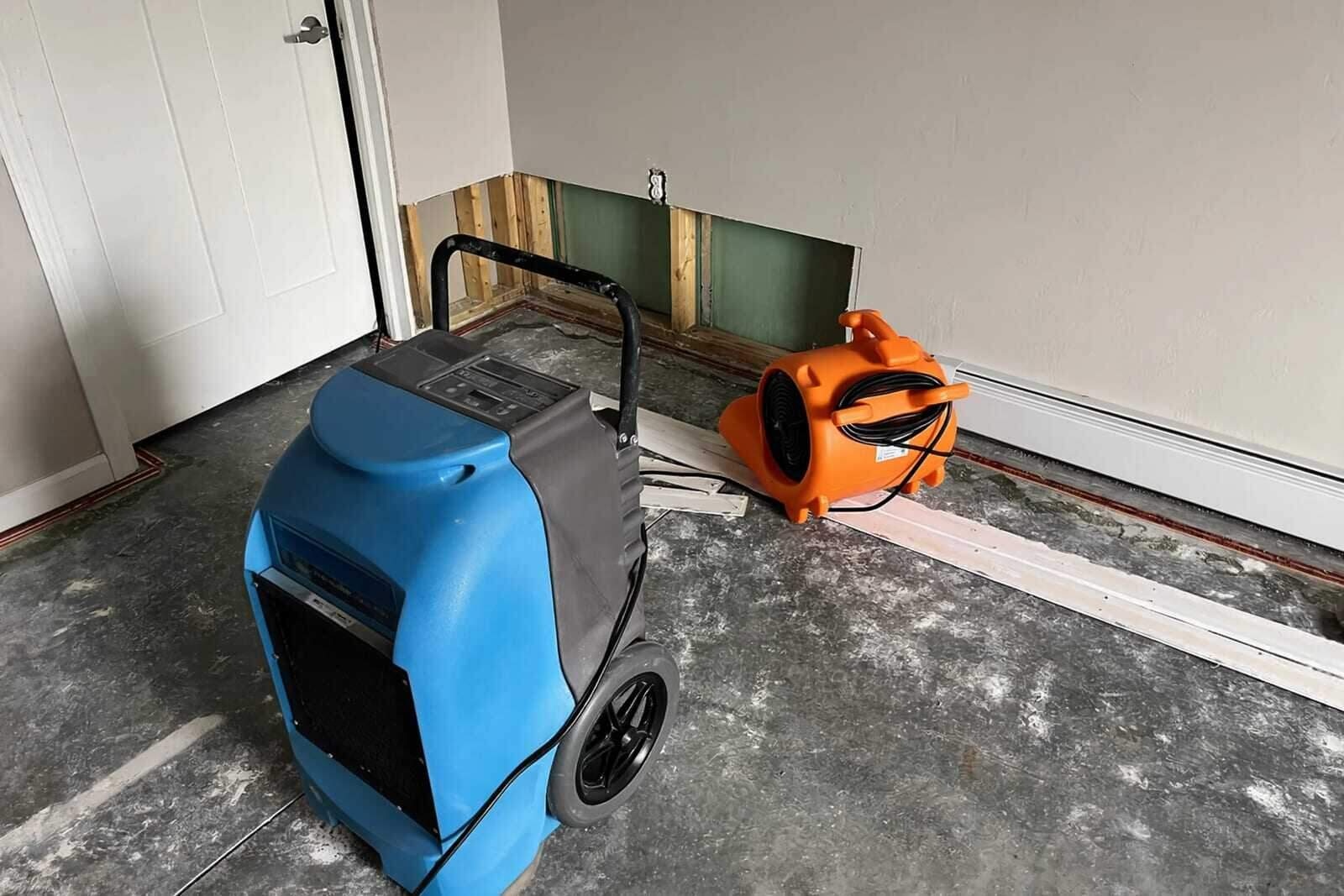
Air movers and dehumidifiers dry the toe-kicks, subfloor, and walls to the IICRC dry standard.
Document & Restore
We log readings and photos for your claim and rebuild any cabinetry or flooring that can't be saved.
Bigger releases — a ruptured tank, a hose that ran for hours — usually need a dedicated water removal pass first. If the water sat under cabinets long enough to start growth, our mold removal team handles it, and we document the failed appliance as the source so your insurance claim is clean. Not sure how far a quiet leak spread? Get in touch and we'll meter it.
Frequently Asked Questions
My water heater flooded my Houston home — what should I do first?
Shut off the water to the heater — there's a valve on the cold-water line at the top of the tank — or close the main if you can't reach it. Then kill the power: flip the breaker for an electric unit, or turn the gas control to off. Keep clear of the water if it's near electrical, and don't try to drain a ruptured tank yourself. Then call us. We extract the water, find what soaked under cabinets and into the slab, and dry it before the materials rot or grow mold. Photograph the heater and the damage for your claim while you wait.
How do I prevent appliance leaks from causing mold in Houston's climate?
Speed is the whole game here. In Houston's humidity, water trapped under a cabinet or in a wall base can grow mold within 24 to 48 hours, so the prevention that actually works is getting the hidden water dried fast — not just wiping up the puddle. When an appliance leaks, the cavities you can't see stay wet long after the surface looks fine. We meter those areas and dry them to a measured standard, which is what stops mold from starting. Catching the leak early and drying it properly is far cheaper than a mold job later.
The leak was slow and hidden — is the damage still worth cleaning up?
Yes, often more so. A slow under-sink or dishwasher leak does its damage out of sight — the subfloor and cabinet base can be saturated and starting to rot or grow mold while the floor still looks dry. By the time you notice buckled flooring or a musty smell, the hidden water has usually spread further than a sudden flood would. We meter the area to map how far it went and dry the cavities properly, which is the only way to stop a slow leak from becoming a structural and mold problem.
Does insurance cover appliance and water heater leaks?
A sudden, accidental appliance failure — a burst washer hose, a ruptured water heater tank — is usually covered, along with the resulting water damage. Long-term seepage from a leak that was ignored is often excluded as a maintenance issue, and the appliance itself typically isn't covered, only the damage it caused. It comes down to your policy and how the failure happened. We document the failed appliance as the source with photos and moisture readings, which is exactly what your adjuster needs to process the claim.
Appliance Leak Flooding Your Floor? Call Now.
Water from a failed heater or hose wicks under cabinets and into the slab fast, where it rots and grows mold out of sight. Our Houston crew is on call 24/7 to extract and dry it — call now and we'll head your way.
Call Now: (346) 210-6101